Path of Exile 2 Rune System Guide — The Complete Augment Socket Handbook
Master PoE2's rune system in patch 0.5.x: 10 base runes, 4 tiers, slot effects, socketing, Kalguuran gems and the best combinations per build.
Path of Exile 2 Rune System Guide — The Complete Augment Socket Handbook
Path of Exile 2’s rune system is one of the most consequential new mechanics in the sequel — and one of the most misunderstood. With 295+ augment items across runes, Soul Cores, and Idols, the system replaces PoE1’s early-game crafting bench paradigm with socketable, slot-dependent modifiers that smooth the power curve from Act 1 through endgame mapping.
The most counter-intuitive truth about PoE2 runes is this: the same rune produces entirely different effects depending on which slot type it goes into. A Body Rune socketed in a weapon grants life leech on hit; the same rune in chest armour adds +45 maximum life; in a wand or staff, it gives +40 maximum Energy Shield. Many players waste 30–50% of their rune value by mismatching rune type to slot type to build archetype. This guide breaks down everything you need to know to get every socket right.
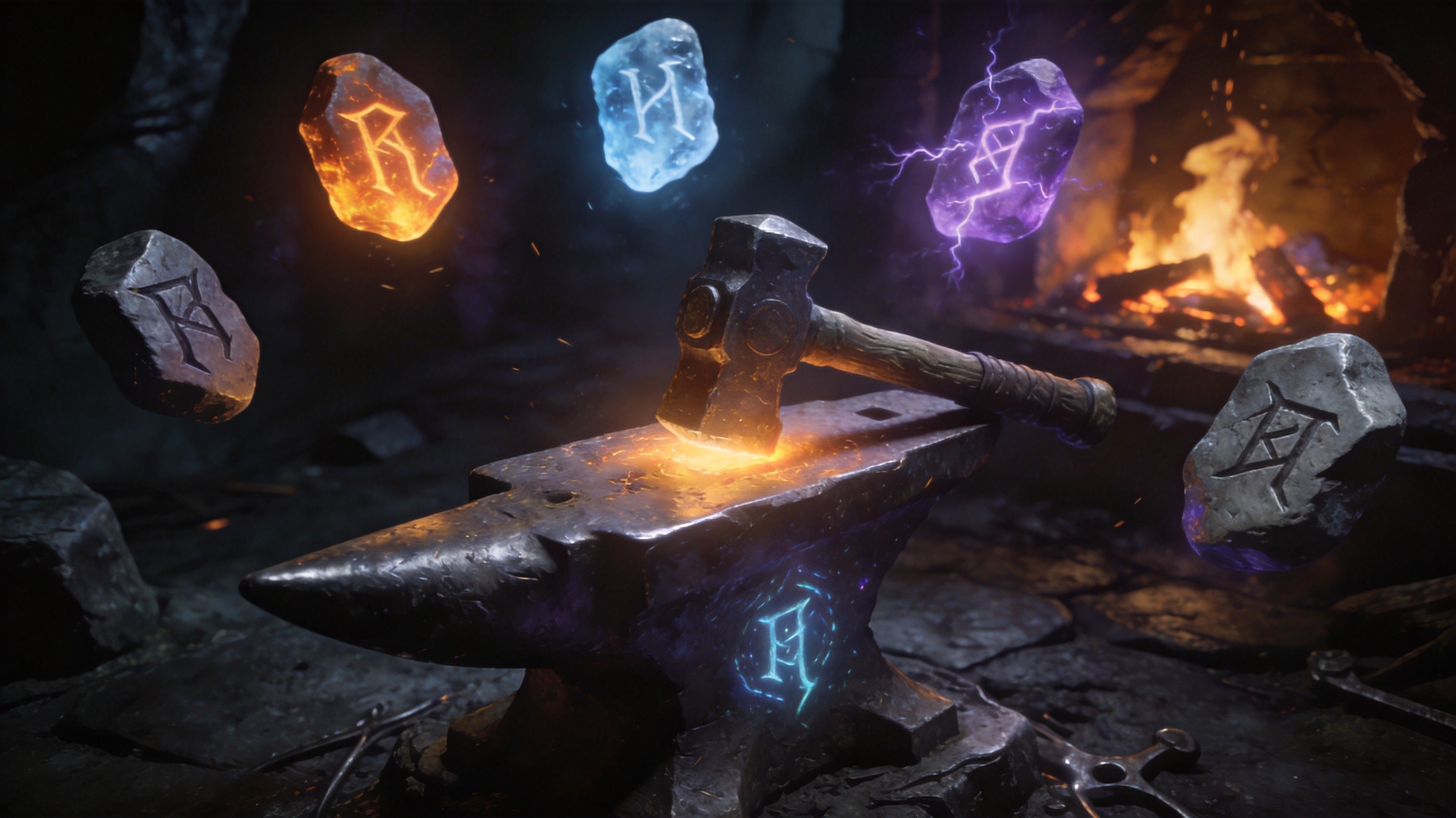
What Are Augment Sockets?
Augment Sockets (previously called Rune Sockets) are special slots on weapons, armour, and accessories that accept three categories of items:
- Runes — The most common socketable, providing a wide range of statistical bonuses
- Soul Cores — Rare, powerful socketables with unique, build-defining effects per slot type
- Idols — Conditional buff socketables that grant bonuses based on specific triggers
A full set of gear has 7 base Augment Sockets: 2 on your two-handed weapon, 2 on body armour, and 1 each on helmet, gloves, and boots. One-handed weapons have 1 socket each. These sockets are your primary power lever throughout the entire game.
The Dual-Effect Principle
Every rune has different effects based on the slot type it’s inserted into. There are three slot categories:
- Martial Weapon — Swords, axes, maces, bows
- Wand or Staff — Caster weapons
- Armour — Body armour, helmet, gloves, boots
A single rune can do completely different things in each. For example, a normal-tier Iron Rune gives 16% increased Physical Damage in a martial weapon, increased Spell Damage in a wand/staff, and 16% increased Armour/Evasion/Energy Shield in armour. Socketing the right rune in the right slot is a 2–3x leverage decision — the difference between a wasted socket and one of your strongest sources of power.
The 10 Base Rune Types
These foundational runes drop from normal gameplay, can be upgraded via reforging, and form the backbone of most builds’ socket loadouts.
| Rune | Martial Weapon | Wand/Staff | Armour |
|---|---|---|---|
| Iron | 16% increased Physical Damage | Increased Spell Damage | 16% increased Armour/Evasion/ES |
| Body | 4% Physical Damage as Life Leech | +40 max Energy Shield | +45 max Life |
| Desert | Adds 7–11 Fire Damage | Gain % Damage as Extra Fire | +14% Fire Resistance |
| Glacial | Adds 6–10 Cold Damage | Gain % Damage as Extra Cold | +14% Cold Resistance |
| Storm | Adds 1–30 Lightning Damage | Gain % Damage as Extra Lightning | +18% Lightning Resistance |
| Stone | Increased Stun Buildup | — | Increased Defences / Stun Avoidance |
| Inspiration | Attack Speed | Cast Speed | Skill Effect Duration |
| Mind | Mana Leech | Mana Regen | Increased Mana Pool |
| Rebirth | Life Regen on Kill | ES Regen on Kill | Life Regeneration |
| Vision | Accuracy / Crit | Accuracy / Spell Crit | Evasion / Dodge |
Tier Progression: Lesser → Normal → Greater → Perfect
Runes come in four tiers. Upgrading tiers improves numerical values without changing the stat category:
- Lesser — Common world drops. Roughly 50% of Normal values.
- Normal — Uncommon drops or 3× Lesser reforged. Baseline (100%).
- Greater — 3× Normal reforged, rare drops. ~130–150% of Normal.
- Perfect — Remnant crafting, special sources. ~160–180% of Normal.
For example, a Greater Iron Rune gives 18% increased Physical Damage (weapon) and 30% increased Spell Damage (wand/staff), compared to 16% at Normal tier. A Greater Body Rune gives +60 max life instead of +45.
Socketing Mechanics
Socket Limits by Slot
| Item Slot | Base Max Sockets |
|---|---|
| Body Armour | 2 |
| Two-Handed Weapon | 2 |
| One-Handed Weapon | 1 |
| Helmet / Gloves / Boots | 1 each |
| Quiver / Jewellery | 0 |
Total base sockets across a full set: 7.
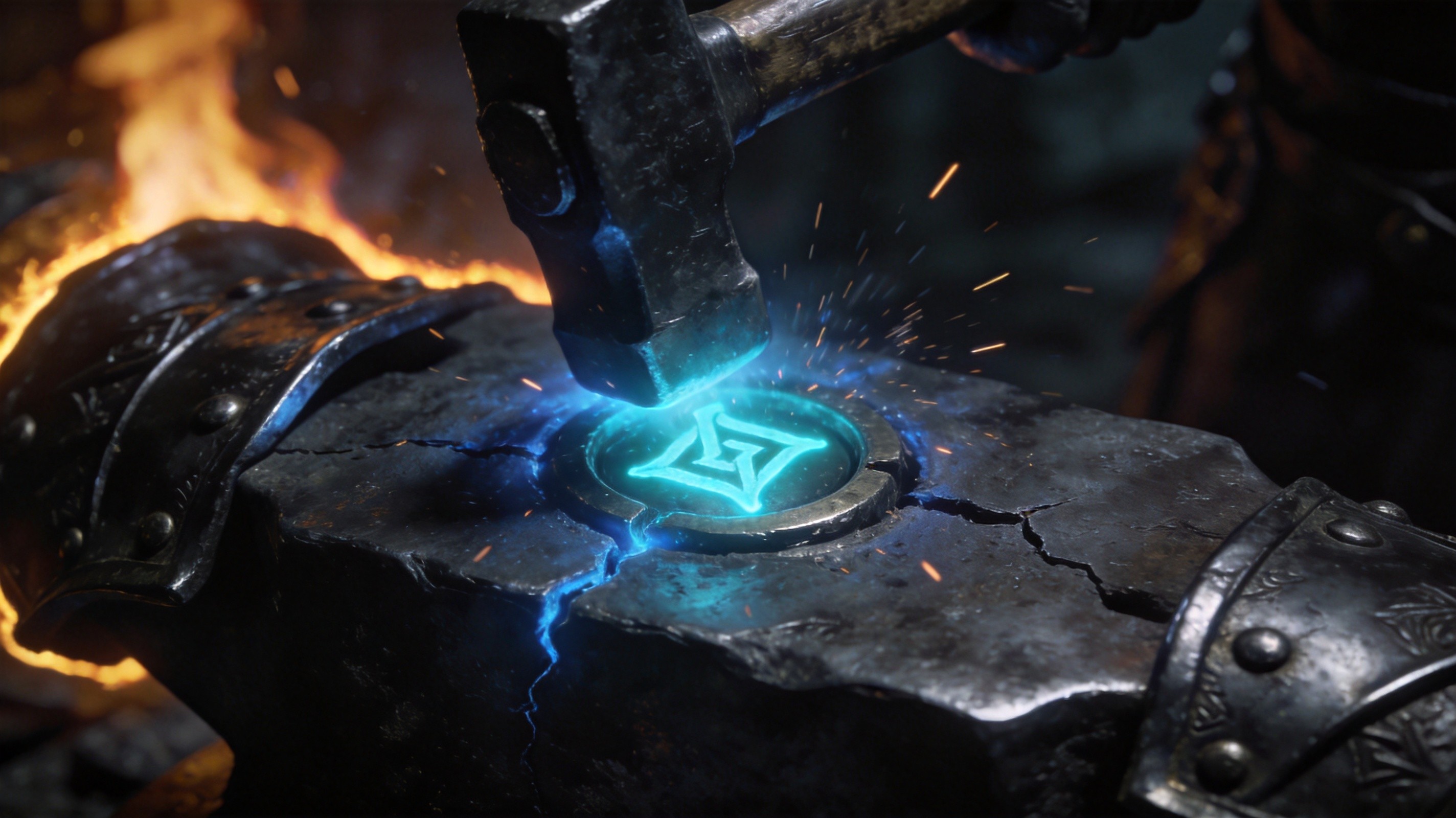
How to Add Sockets
Sockets aren’t automatically on every item — you need to add them:
- Artificer’s Orb — The standard method. Crafted from 10 Artificer’s Shards. Adds a random socket up to the normal cap.
- Vaal Orb — Corrupts the item and can add an extra socket beyond the normal cap. High risk — might brick the item.
- Architect’s Orb — A second chance at an extra socket on already-corrupted items.
The practical progression: get a good base → Artificer’s Orbs to hit cap → Vaal Orb for potential extra socket → Architect’s Orb if the Vaal didn’t deliver.
Rune Insertion and Overwrite
Since patch 0.1.1, runes are no longer permanent. Inserting a new rune into an occupied socket overwrites the original rune — which is destroyed. The socket itself remains; only the rune is lost. This means you can freely upgrade from Lesser → Normal → Greater as you find better ones, but the rune you’re replacing is gone forever.
Acquisition Methods
World Drops and Farming
Runes drop from monsters, chests, and barrels throughout the game. Drop rates scale with zone level, and magic/rare monsters have higher chances. Early game is sparse — it’s not unusual to hit level 10 before seeing your second rune.
The 3-for-1 Reforging System
Your deterministic path to higher-tier runes: combine three identical runes at a crafting bench to create one of the next tier up:
- 3× Lesser → 1× Normal
- 3× Normal → 1× Greater
Important: Ancient Runes, Warding Runes, unique-derived runes, and Mythical runes are locked at their base tier and cannot be upgraded through reforging.
Ezomyte Remnants: Targeted Rune Crafting
Introduced in patch 0.5.0, Ezomyte Remnants are the only targeted source for specific runes — and the primary endgame rune farming mechanic.
Remnants are stone monuments with 2–10 socket slots. You insert runes (Runeshapes) into these slots to craft specific items. Each additional runeshape increases the enemy waves you must fight. Successfully complete the encounter and you get the crafted reward — plus Verisium metal for Runic Ward crafting.
Slot count is everything. A single 8–10 slot Premium Remnant can out-earn several Small ones combined. Save your valuable runeshapes for the high-slot-count Remnants you find in endgame maps.
Valuable Runes: What’s Worth Keeping
Some runes trade for serious currency:
- Aldur’s Legacy — 30+ Divine Orbs early league
- Serle’s Triumph — Top-tier valuable rune
- Masterwork Rune — One of the “big three” money runes
Always check live prices before deciding whether to use or sell a valuable rune.
Runic Ward and Kalguuran Gems
The Third Skill System
Patch 0.5.0 added 23 Kalguuran Skills and 7 Kalguuran Support gems that fundamentally differ from regular skill gems:
- They cost Runic Ward instead of mana
- They have no colour (no red/green/blue distinction)
- They ignore attribute and weapon requirements
- They are usable by any class
This creates a class-agnostic skill layer — any character can use any Kalguuran skill as long as they have enough Runic Ward.
Ward as Both Defense and Resource
Runic Ward serves dual purposes: it’s a “second life bar” that saves you when you hit 1 life, AND the resource that powers Kalguuran skills.
Community consensus benchmarks:
- 2,000+ maximum Ward minimum before worrying about other stats
- Ward = Life total as a rule of thumb baseline
- 1.5× Life as Ward for optimized dedicated Ward builds
- Regeneration rate matters more than raw pool size once you pass 1,500 Ward
Critical distinction: Runic Ward is NOT Energy Shield. ES stacks on top of life. Runic Ward only triggers when life hits 0. Don’t calculate your effective HP as life + ES + Ward.
Key Kalguuran Supports
Runic Infusion Support — Causes attacks to cost Runic Ward, dealing additional Physical damage based on Ward cost. More Ward = more damage.
Fist of Kalguur Support — Supports Slam skills. Spend Ward equal to 150% of life and mana cost to become Runically Boosted, gaining 20% of damage as extra Physical damage.
Best Rune Combinations by Build
Two-Handed Physical Melee
| Slot | Recommended | Why |
|---|---|---|
| Weapon 1 | Iron Rune (Greater) | Highest direct damage for physical builds |
| Weapon 2 | Body Rune or Stone Rune | Life leech sustain or Stun Buildup chains |
| Body 1 | Iron or Body Rune | Armour/Evasion/ES or +45 max life |
| Body 2 | Ward Rune or Elemental Resist | Ward for Kalguuran skills, or cap rounding |
Endgame upgrade: Iron → Rune of Culmination (Ancient Rune) for pure phys builds, paired with Defy II + Constricting Command for 75% max damage rolls.
Elemental Casters
- Iron Rune (Greater) in wand/staff → 30% increased Spell Damage — Highest raw spell damage
- Body Rune → +40–50 max ES — Caster defence scaling
- Elemental Runes → Extra [Element] Damage — Massive when the element matches your build
- Mind Rune → Mana Regeneration — For mana-hungry casters
Bow and Projectile Builds
Common misconception: Bow builds with elemental damage should use elemental runes. Wrong. Iron Rune is still the best weapon rune even for elemental bow builds — physical damage scales with projectile damage nodes, and many conversion builds retain physical as a base.
Runic Ward / Kalguuran Builds
For builds centred on Kalguuran skills, the priority order is:
- Max Ward first — Get to 2,000+. Stack Ward Runes in every armour socket.
- Regeneration second — Swap some Ward Runes for Charging Runes once you have enough pool.
- Warding Runes third — Add specialised Warding Runes based on your damage type.
- Kalguuran supports fourth — Runic Infusion, Fist of Kalguur, etc.
Golden rule: Pick one path — traditional damage OR Ward/Kalguuran. The hybrid trap gives you a mediocre build that’s bad at both.
7 Common Mistakes to Avoid
1. Wrong Rune in Wrong Slot Type
A Body Rune in armour gives +45 life — great. In a weapon for a caster? Terrible. Always verify the per-slot effect before inserting.
2. Treating Runic Ward Like Energy Shield
Ward doesn’t layer on top of life. It triggers at 1 life. Don’t calculate effective HP as life + ES + Ward.
3. Half-Measures with Kalguuran Skills
Splitting between traditional damage and Ward scaling gives you a mediocre hybrid. Commit fully to one path.
4. Wasting Valuable Runes on Levelling Gear
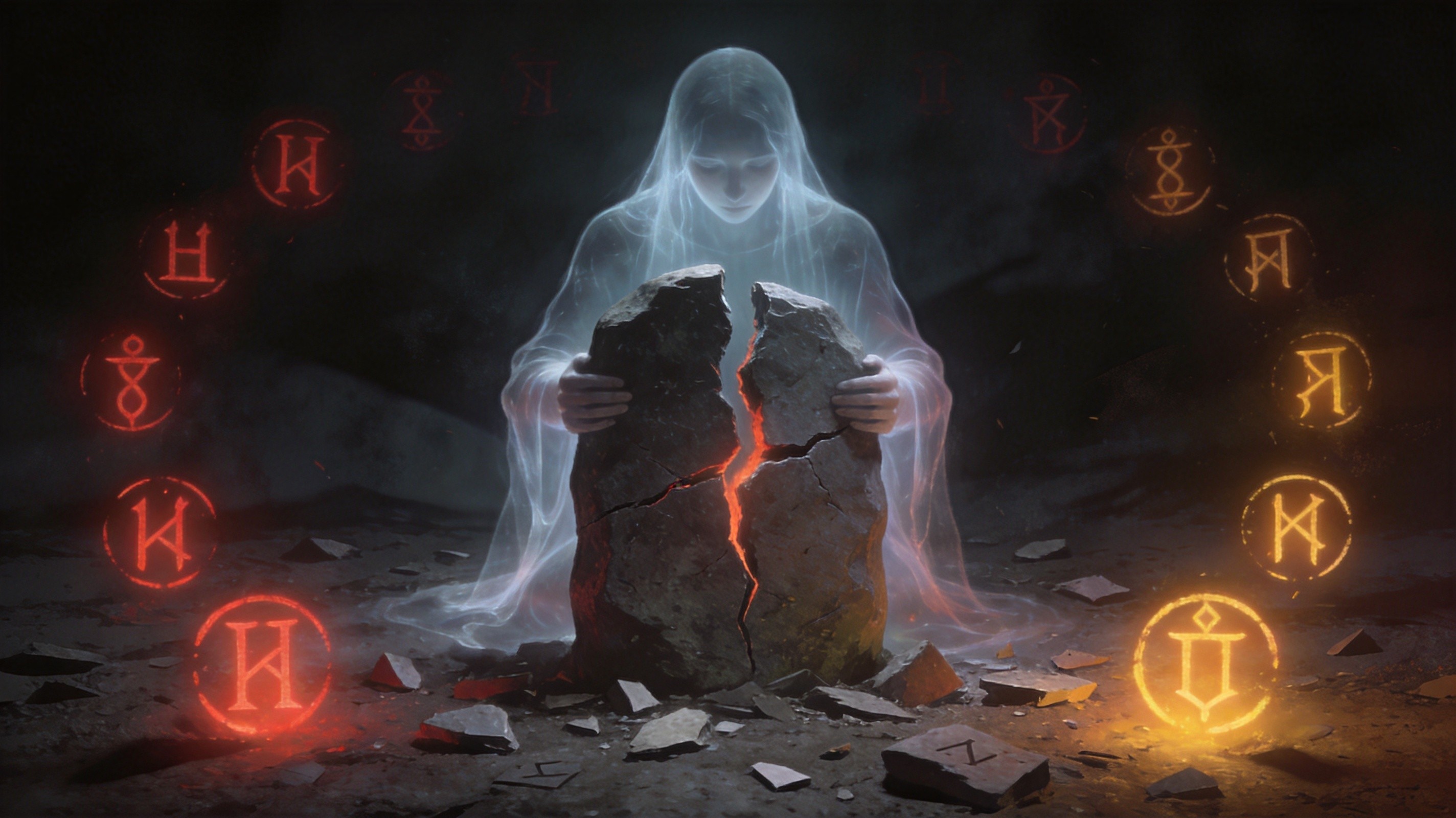
Overwriting destroys the original rune. Save Greater/Perfect runes for endgame gear you plan to keep. Use Normal-tier for levelling.
5. Skipping the Act 4 Farrow Quest
Ancient Runes are locked behind Farrow’s Act 4 quest. Rushing the campaign locks you out of the 13 most powerful weapon runes. Do the full questline as you level.
6. Ignoring Soul Cores
Filling every socket with runes just because they’re common is a mistake. Soul Cores and Idols are often significantly more powerful. Reserve your highest-leverage sockets for them.
7. Forcing Damage Runes on Minion Builds
Rune effects that say “your attacks” do NOT transfer to minions. Use sockets for what benefits you as the minion master — survivability and movement.
The Farrow Questline: Progressive Unlocks
Don’t skip optional Farrow content — each act unlocks a key system:
| Act | Unlock |
|---|---|
| Act 1 | Verisium Runeforging (Runic Ward on armour) |
| Act 2 | Alloys (13 new currency items) |
| Act 3 | Unique Runeforging (unique-derived runes) |
| Act 4 | Ancient Runes (13 powerful weapon runes) |
PoE1 vs PoE2: What’s Different
PoE2’s rune system has no direct equivalent in PoE1. It’s not a re-skin — it’s a core design philosophy shift to smooth the early-game power curve.
Key differences:
| Aspect | PoE1 | PoE2 |
|---|---|---|
| Early-game power | Vendor + crafting bench | Rune sockets, upgradable from level 1 |
| Power curve | Bumpy — weak early, spike at maps | Smoother — linear rune upgrades |
| Build diversity driver | Passive tree + gems | Passive tree + gems + runes + Soul Cores |
| Defensive layers | Life + ES + Armour + Evasion | Life + ES + Armour + Evasion + Runic Ward |
| Third skill system | None | Kalguuran gems (23 skills + 7 supports) |
If you’re a PoE1 veteran: don’t sleep on runes, learn the slot-type effect system, remember Ward ≠ Energy Shield, and reforge as you go.
Quick Reference: Action Plan
New Players: Fill your 7 sockets with Normal-tier runes matching your build. Use 3-for-1 reforging to upgrade. Do the full Farrow questline.
Mapping Players: Target specific runes through Ezomyte Remnants. Experiment with Runic Ward and 1–2 Kalguuran gems. Replace filler sockets with Soul Cores.
Endgame Players: Commit to either traditional scaling or full-Ward Kalguuran. Target Ancient Runes through high-slot Remnants. Push for triple-socketed corrupted items.
All data based on patch 0.5.x. Always verify current values on poe2db before making expensive decisions.
Related reading: Gem Socketing Guide | Defensive Layers Guide
Was this guide helpful?
Help us improve PoE2Path with your feedback.